Environmental Justice
Charlotte’s vision to be a more equitable city for all requires mitigation of environmental impacts across the city, especially in areas where populations are vulnerable to displacement. Environmental Justice (EJ) seeks to minimize effects of environmental impacts or hazards that arise from geographic or procedural inequities, including a development pattern that concentrates undesirable or unhealthy land uses in certain areas, the placement of desirable public amenities outside of disadvantaged communities, and limited or non-existing political influence among certain demographic groups.
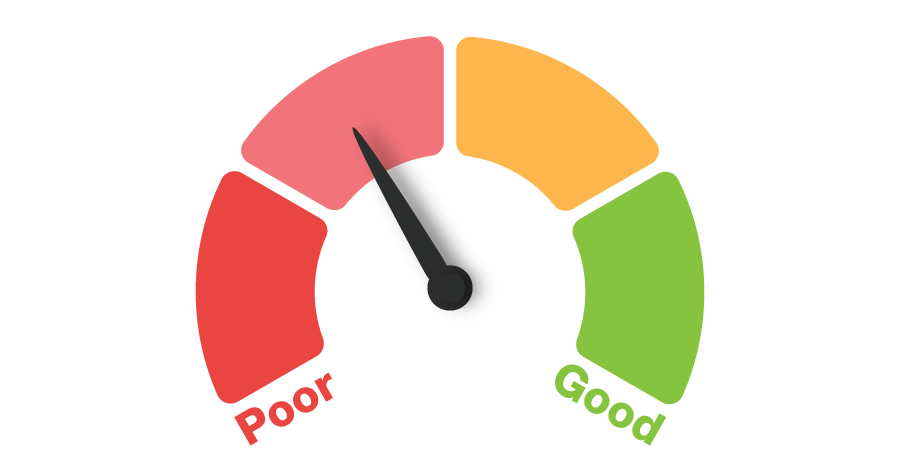
The Equitable Growth Framework (EGF), adopted within Charlotte Future 2040, assesses EJ using five spatial measures and assesses vulnerability to displacement using four sociodemographic measures. The North Middle & Outer’s average EJ Score1 is a 5, which is equal to the City’s goal (5), which indicates that reducing environmental impacts is not a priority for this plan area.
1 Calculated using the Environmental Justice methodology summarized in the CAP Appendices document.
To better understand the specific needs for North Middle & Outer to address relating to EJ, the CAP EJ assessment (illustrated in the Environmental Justice Assessment Table) documents current conditions across the five measures: tree canopy, impervious surfaces, proximity to heavy industrial, proximity to major transportation infrastructure, and floodplain risk. This information helps to identify the plan area’s greatest needs and will help guide EJ-related decisions as development and redevelopment occur, including through private and public investment.
Table 6: environmental justice assessment
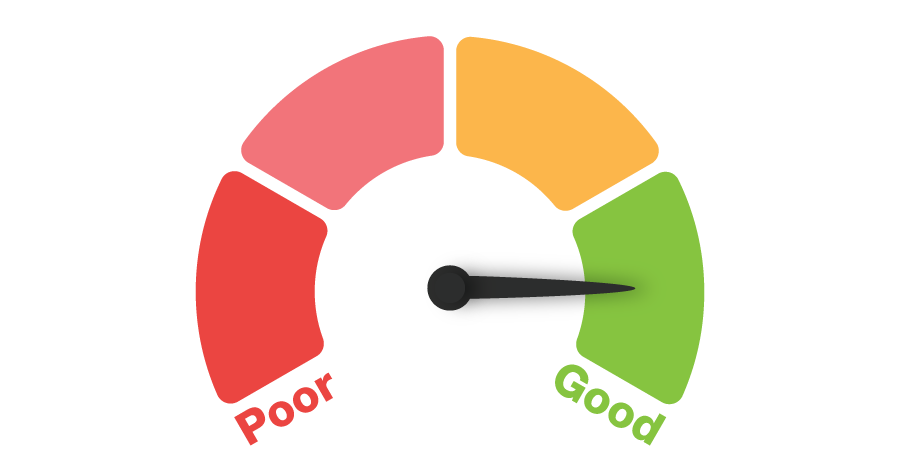
The following measures were evaluated on a scale from “Poor” to “Good.” For more information about this analysis, see Appendix E. A “Poor” score indicates environmental justice issues.
| Tree Canopy North Middle & Outer’s tree canopy is moderate, with greater coverage in open spaces and well-established residential neighborhoods, while commercial and industrial areas have less tree cover. |
|
| Impervious Surface North Middle & Outer has low impervious surface coverage due to its low-density residential and forested areas. Only a few areas have high rates of impervious surface. |
|
| Proximity to Heavy Industrial There are heavy industrial centers in North Middle & Outer; however, they are relatively isolated, resulting in overall low proximity to heavy industrial. |
|
| Proximity to Major Transportation Infrastructure North Middle & Outer is intersected by I-485 and several rail lines, placing portions of the area near major transportation infrastructure. |
|
| Floodplains North Middle & Outer has a significant number of residential units within the floodplain, increasing the overall risk of flooding. |
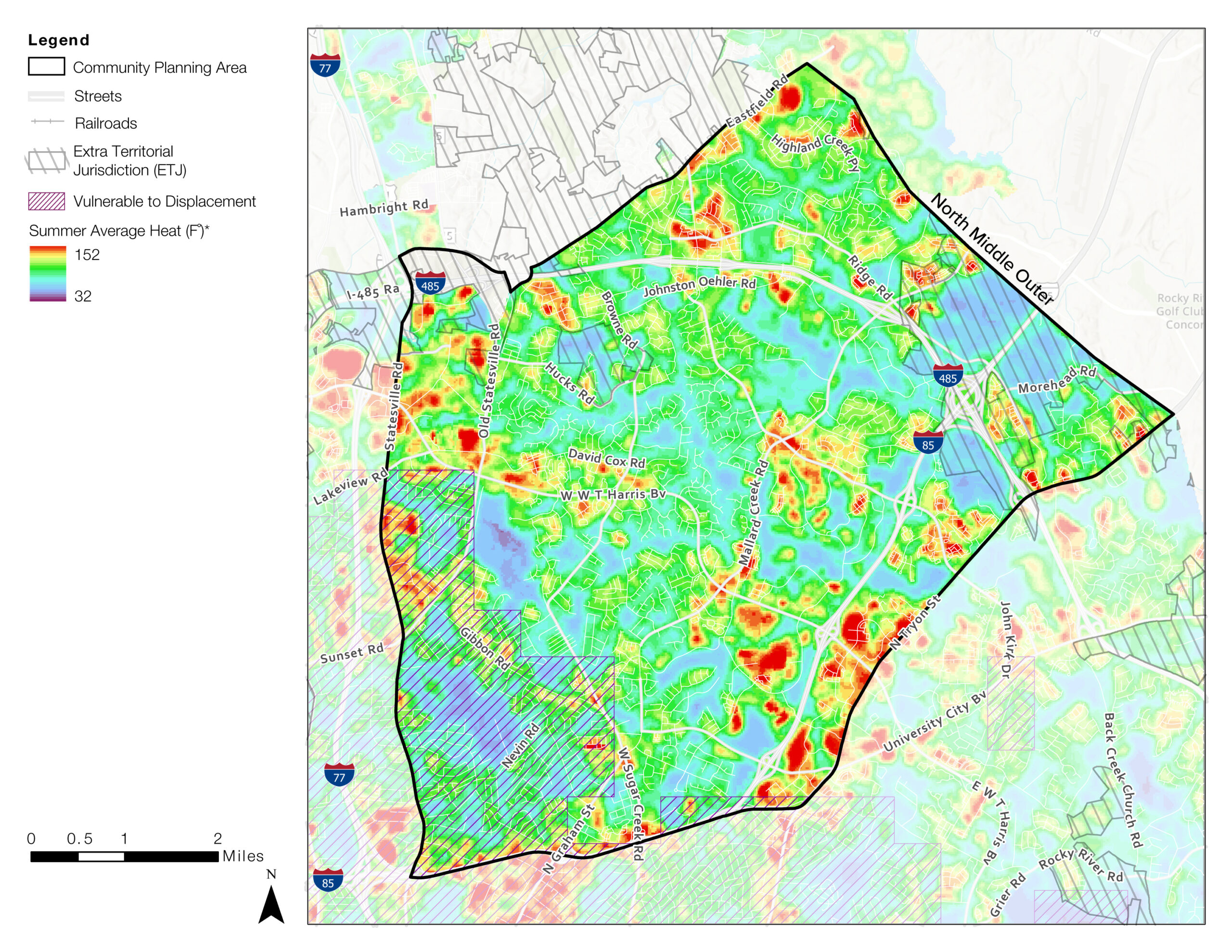
In addition, urban heat land surface temperature was measured within the North Middle & Outer plan area as this new data has become available since the original EJ methodology was developed. This information helps to identify areas exposed to extreme urban heat conditions which may increase community health risks. This information (illustrated in the Urban Heat Map) can be used to inform specific interventions and decisions related to cooling and mitigation measures.
Source: Smart Surfaces Coalition. For more information, visit https://web.tplgis.org/smart-surfaces-coalition/
Finally, an assessment of Brownfields and hazardous sites reveals that there are 1,423 acres of property with potentially hazardous materials and activities in the North Middle & Outer plan area. This information can be used to mitigate risk through land use decisions and remediation efforts.
These assessments will also support place-based and citywide sustainability efforts to achieve broad greenhouse gas emission reduction goals while ensuring that sustainability strategies, projects, and programs advance equity.
Environmental Justice Recommendations
EJ-1
To ensure future residents do not live near undesirable or unhealthy land uses, discourage residential development/redevelopment in areas designated Manufacturing & Logistics. When existing Manufacturing & Logistic sites adjacent to residential development request new entitlements, approve the least intense zoning district (ML-1).
EJ-2
To ensure compatible land uses near industrial land uses, encourage Commercial or Innovation Mixed-Use development/redevelopment adjacent to areas designated Manufacturing & Logistics.
EJ-3
To help mitigate impacts of noise and air pollution, encourage vegetated buffers and adequately sized yards between areas designated Manufacturing & Logistics and Neighborhood 1, Neighborhood 2, Campus, Neighborhood Center, Community Activity Center, or Regional Activity Center.
EJ-4
To better measure and monitor environmental justice impacts, update the Equitable Growth Framework to include Land Surface Temperature as the sixth measure of the Environmental Justice metric representing urban heat.
EJ-5
To help mitigate water pollutants in surface waters, continue to prioritize educational outreach regarding potential pollution sources, how to identify and report pollution, and other best practices.
EJ-6
To mitigate environmental justice impacts, the City should prioritize -or, in some cases, continue prioritizing- investments and programmatic funding that addresses impacts in geographies classified as “Poor” or “Somewhat Poor” in the CAP Environmental Justice Assessment Tables, as well as in areas with high Land Surface Temperatures.
EJ-7
To help mitigate impacts of high land surface temperatures, co-locate cooling amenities (such as covered seating and water fountains) at neighborhood-serving mobility hubs and encourages the use of smart surfaces in geographies classified as “Poor” or “Somewhat Poor” in the CAP Environmental Justice Assessment Tables, as well as in areas with high Land Surface Temperatures.
EJ-8
To reduce brownfields and hazardous sites, the City should consider adjacent Place Type designations and preferred adjacencies, as outlined in the Policy Map Manual, when approving new land uses for redeveloped “Areas of Environmental Concern.”
EJ-9
To support the coordination of economic development and brownfield remediation efforts, the City should further study “Areas of Environmental Concern” to better understand the potential impacts of redevelopment.
EJ-10
To ensure future infrastructure investments do not increase environmental impacts, encourage designs that minimize impacts to air quality, stormwater, tree canopy, noise, and other environmental conditions.